How It Works
A native extensionof your practice.
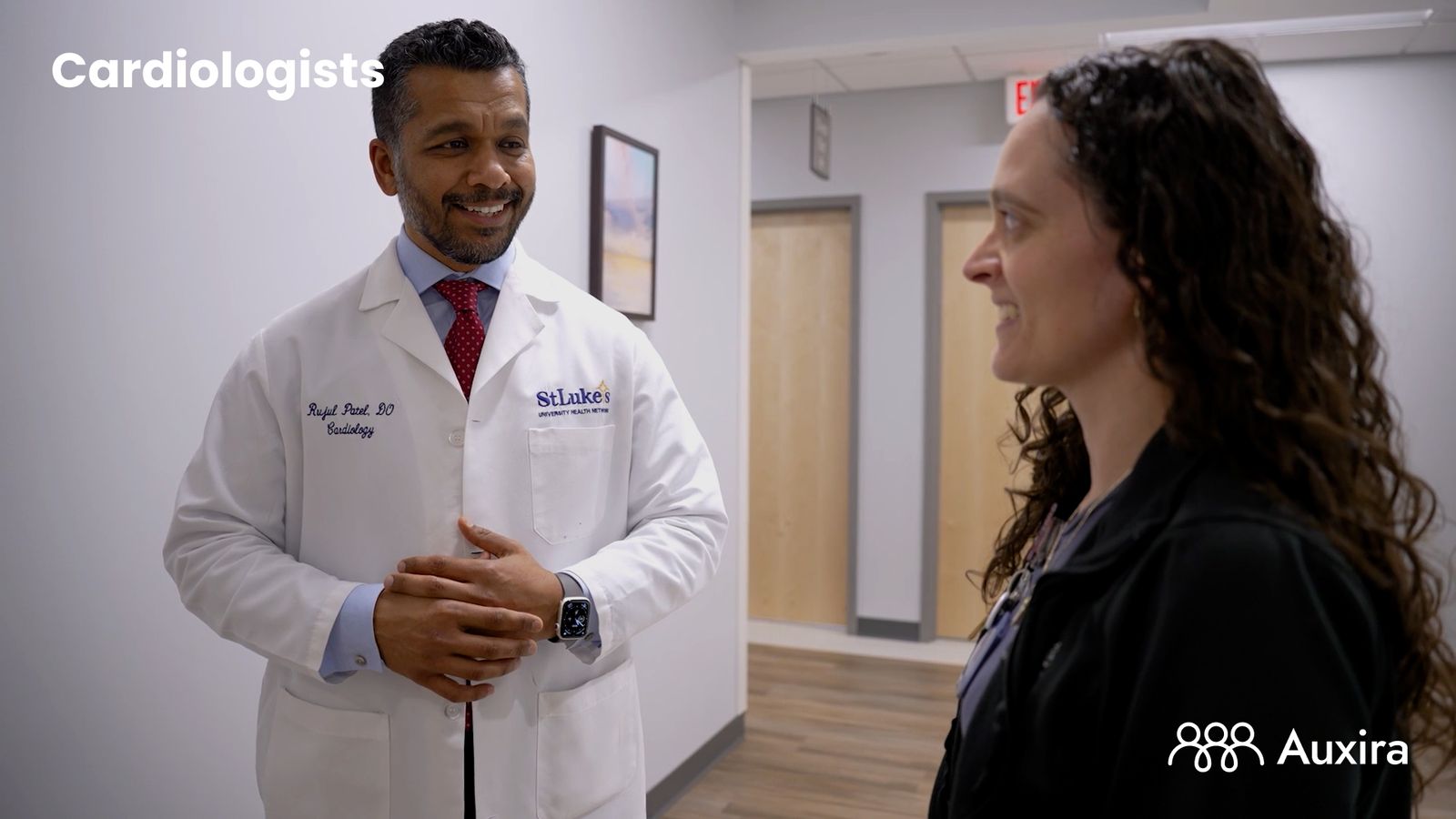
One full-time cardiology APP, one full-time medical assistant, and a fractional RN handle the routine visits, carry the inbox, refills, results, medication titration, and more.
The pod
A dedicated care team,supporting your practice
The work
Using your systems,creating capacity
In your EHR
No new platform. The pod works in the system you already run, an extension of your staff. Nothing to buy, nothing to integrate.
Visits worked ahead
The APP builds the virtual visit schedule in advance around discharges, waitlists, and upcoming appointments, all approved by their cardiologists.
Messages become visits
Roughly 30 to 40% of cardiology inbox messages qualify as billable visits. The pod triages them, converts the ones that should be visits, and closes the rest, so revenue stops leaking.

Your team
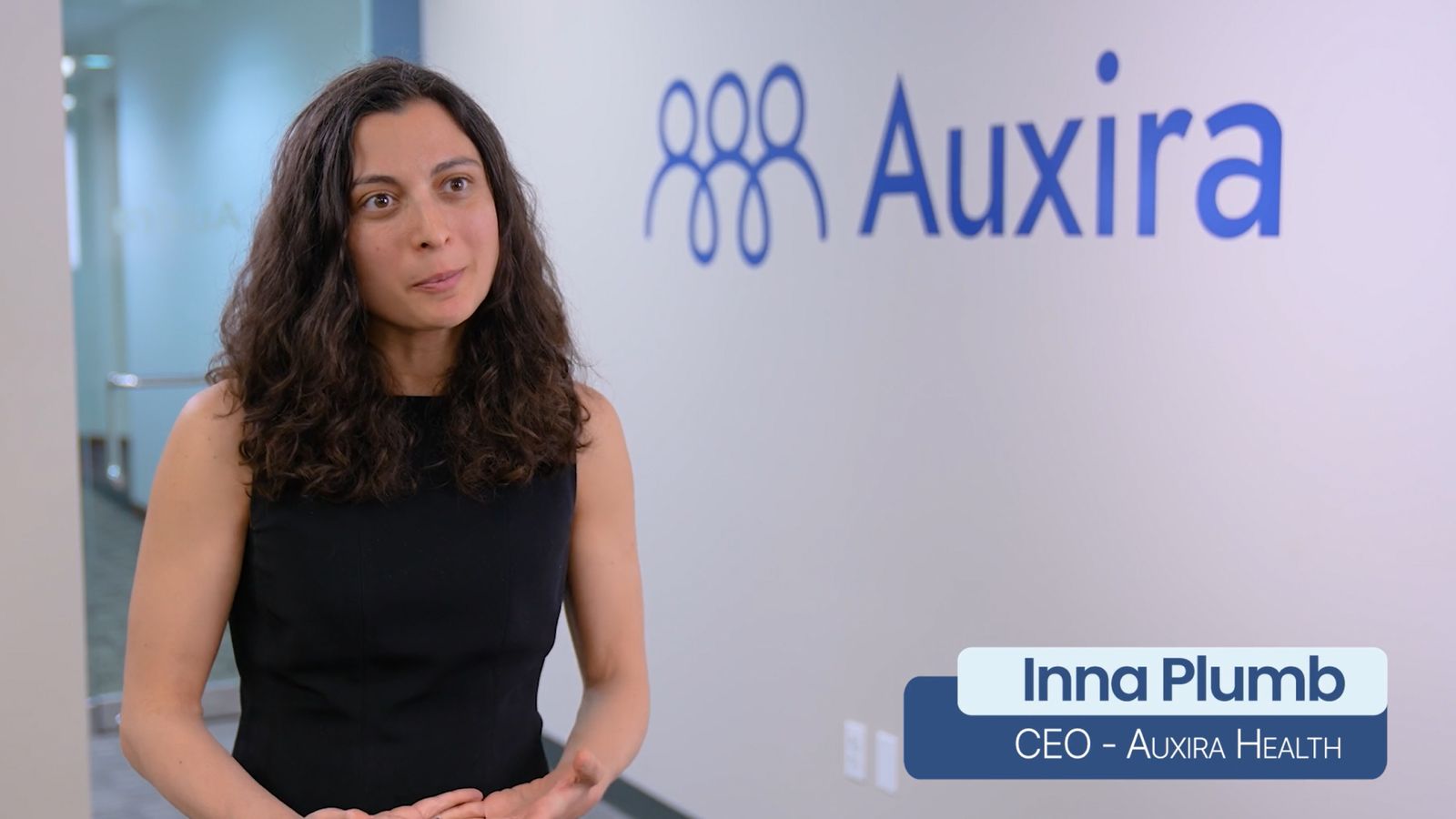
You approve your APP
Live in 16 weeks, from contract execution to managing inboxes and visits. At one system, multiple APPs were credentialed and seeing patients within 5 months.
Typical implementation
Contract signed to go live in 16 weeks
What we need from you
A short, honest list
Most vendors hide the lift. We show it, so you can plan for it and know exactly what a pod asks of your team.
Project Lead
Assign a project lead to drive implementation, keep physicians and staff engaged post-go-live, and measure performance data
Best Practices
Partner with Auxira to implement best practices and protocols for scheduling virtual visits
Onboard
Credential Auxira APPs and build them into the EHR with access to schedules, templates, pools, inboxes, and portals
And once you are live,we keep score
Performance management is part of the model, not an add-on.
- Visit-volume and conversion tracking against target
- A daily cross-system huddle with your team
- Physician feedback loops that adjust the pod
- Quarterly business reviews on ROI and capacity
Subspecialties
One model, many subspecialties
Supporting general cardiology & all subspecialties (EP, HF, HCM, and more).
Heart failure
Subspecialty-experienced APPs that support titration, post-discharge follow-up and monitoring between visits.
Titration
GDMT up-titrated in weeks, not the usual three-month cycle.
Post-discharge
Seven-day follow-up calls that cut 30-day readmissions.
Monitoring
Remote monitoring with early decompensation alerts.
Acute care
Diuretic titration and IV infusion coordination.
Electrophysiology
The pod carries device follow-up, clearances and the arrhythmia inbox between your visits.
Device checks
Remote interrogation, Holter follow-up and antiarrhythmic monitoring.
Clearances
Cardiac clearances and consents handled ahead of the date.
Inbox
Refills, device questions and side-effect triage answered same day.
Follow-up
Post-ablation and post-implant checks scheduled and worked ahead.
Hypertrophic cardiomyopathy
Symptom-burden assessment, med management and specialized coordination, keeping care individualized between visits.
Symptom burden
1:1 time to understand symptoms, functional limits and daily-life impact.
Med & inhibitor management
Therapy response tracked; myosin inhibitor candidates identified.
Echo & clinical monitoring
Follow-up ECGs & clinical updates to guide treatment decisions.
Specialty collaboration
Cardiologist & specialist coordination with follow-up between visits.



“Like many practices, we struggled with 30-day heart failure readmissions. With Auxira, we are ensuring timely post-discharge care that prevents readmissions.”
Joanna Midgett · Senior Manager, Practice Operations, St. Luke's
“If I see a remote EKG strip that shows AFIB, I can get that patient seen the same day, adjust their meds, and usually get them a cardioversion within days, versus a week in a traditional setting.”
Kerra · EP Nurse Practitioner, Auxira Health
“I have the time to understand each patient's symptom burden, then work with the physician on medication changes, including myosin inhibitor timing. This creates a more individualized approach giving patients the attention they deserve.”
Alysa · NP, Hypertrophic Cardiomyopathy Pod
Your questions answered
Curious how Auxira can increase capacity for your practice? Let us show you.
Auxira embeds a subspecialty-trained APP, MA, and RN directly into your existing EHR to triage, resolve, and convert patient messages, so physicians aren't the first, or only, responder to every inbox item. MedStar Health cardiologists reduced after-hours EHR time by 35% after adopting the model.
Auxira's team works inside your current EHR, under your existing protocols. There's no new platform to license and no IT lift required. Your Auxira pod is a white-labeled, native, seamless extension of your practice, so the experience feels consistent for patients and staff alike.
Most Auxira deployments go live 4 months from contract signing, including credentialing, APP interviews (with physician approval), onsite training, and workflow integration.
Auxira's pod model assigns a dedicated MA and a fractional RN alongside the APP, so messages are triaged and routed by role: administrative tasks to the MA, clinical triage to the RN, billable clinical decision-making to the APP. Nothing defaults back to the physician unless it genuinely needs their expertise. This means your valuable MAs and RNs can be redeployed to other tasks within your practice.
Every Auxira APP is a U.S.-licensed nurse practitioner with a minimum of 3+ years of cardiology experience (general, heart failure, or electrophysiology), matched not just on clinical background and subspeciality but on communication style and workflow fit. Physicians have final approval before an APP joins their team.