From overwhelmed to overjoyed
Cardiology capacity, without the burnout
A virtual care team that works in your EHR, handles routine follow-up visits, clears the inbox, and turns messages into visits. One APP, one MA, and a fractional RN serving 3 cardiologists, live in ~16 weeks inside the system you already run.





What you get
One pod for three cardiologists.Live in 16 weeks.
Create consults
Auxira pods handle lower acuity follow up visits virtually, freeing cardiologists for more new patient consults.
Own the inbox
The pod triages every message, converts the ones that should be visits, and closes the rest. Revenue stops leaking.
Extend your team
APPs with an avg 5 yrs of cardiology experience, including sub-specialities, who work as a native extension of your practice. You meet and approve your APPs.
Auxira features
Explore our capabilities
- Inbox management relief
- Improve patient satisfaction
- Revenue generating in 3-4 monthsSpeed to Value
- Avg. 5 yrs of cardiology experienceCardiology Expertise
- Support staff included (MA, RN)
- Proven inbox-to-billable visit conversion
- Increase cardiologist RVUs
- Increase cardiologist consultsProven Growth
- Scalable without new office spaceOptimize Current Facilities
- Subspecialty experience matching (EP, HF)
- National bench of APPs, limiting coverage gaps
Proof
Measured at real practices
12%
RVU increase year over year
St. Luke's
37%
Reduction in time to third next available appointment
MedStar Health
14%
Improvement in top-box Press Ganey scores
MedStar Health
71%
Faster message response
St. Luke's
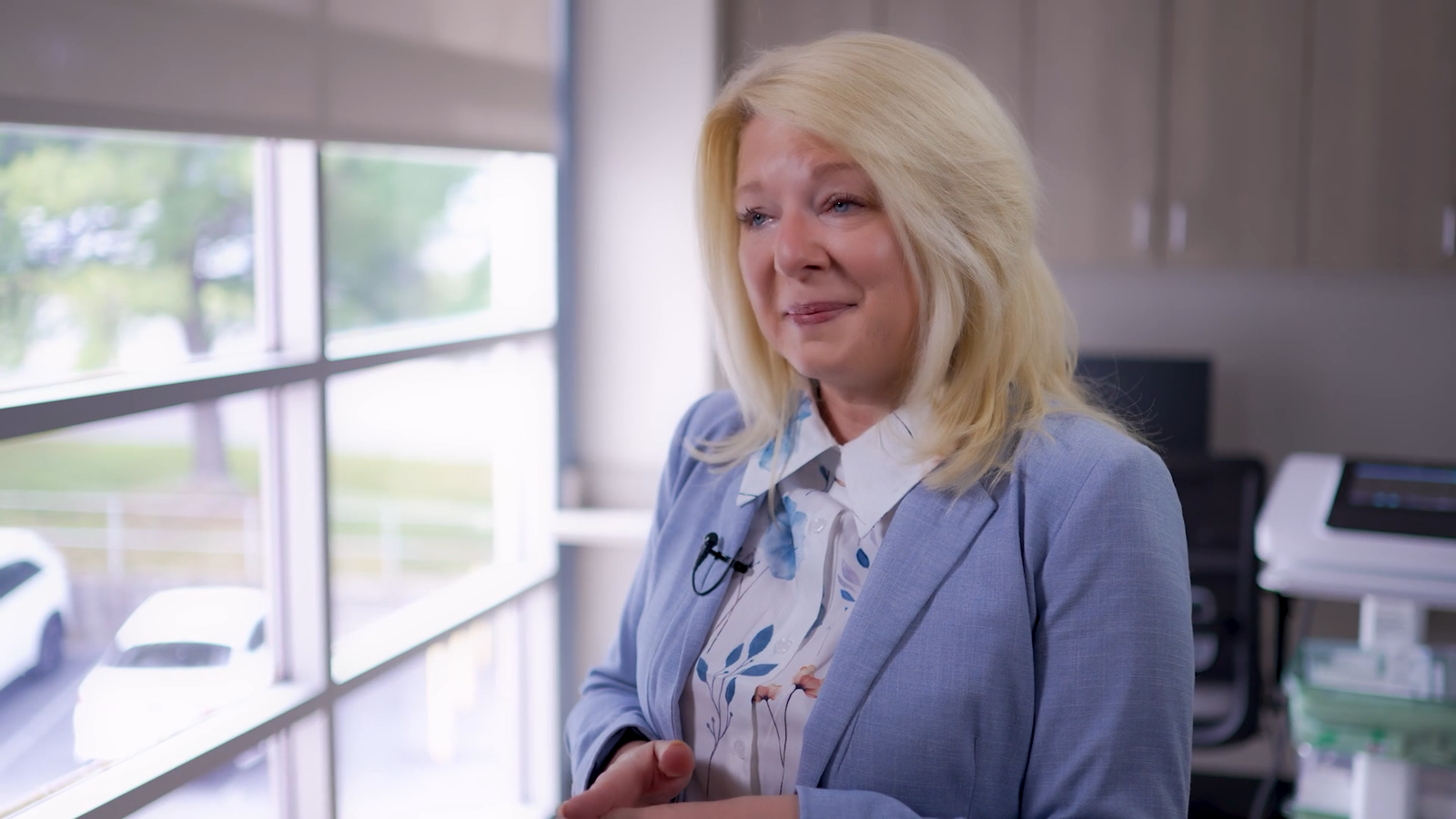
“For us, the ROI was immediately worth it because we had that inherent capacity and access issues within cardiology. For instance, many of the in-person physicians now see more medically complex and new patients, translating to a higher RVU uptick.”
 Matthew FentyManaging Director of Innovation and Strategic PartnershipsSt. Luke's University Health Network


Testimonials
In their own words





Your questions answered
Curious how Auxira can increase capacity for your practice? Let us show you.
By adding a dedicated APP-led virtual pod (one advanced practice provider, one medical assistant, and a fractional RN per three cardiologists), practices can absorb routine follow-ups and inbox-driven visits virtually, freeing physician schedules for new and high-acuity patients. Auxira clients have seen a 37% reduction in time to third-next-available appointment and increased new patients without adding physician headcount or office space.
An estimated national shortfall of roughly 3,000 FTE cardiologists, 10,000 Americans aging into Medicare every day, and about 22 million Americans in the cardiology care gap are pushing new-patient wait times to 2–3 months, around 1.6x longer than in the 1990s. At the same time, cardiologists spend close to two hours on administrative work for every hour of direct patient care. Closing the gap means leveraging virtual care and adding clinical capacity through APPs and fixing the workflow, including inbox triage, proactive scheduling, and message-to-visit conversion, that's consuming physician time today.
Yes. When a patient-initiated portal message requires real clinical evaluation, CMS and most commercial payers allow it to be billed as an online digital E/M service ("e-visit") under CPT codes 99421–99423, based on the cumulative time a physician or APP spends resolving it over a 7-day period. However, the bigger opportunity in cardiology inboxes is recognizing which messages are clinically complex enough to warrant a full telehealth visit rather than a written reply. Auxira's triage protocol identifies those messages and converts them into scheduled virtual visits, billed under standard E/M codes, capturing revenue that's otherwise given away for free.
One Auxira pod serving three cardiologists can generate up to $200,000+ in additional monthly revenue, driven by APP visit volume, a 9.5–12% increase in physician wRVUs, and new patient support worth $4,500–$6,000 per patient in testing, procedural, and technical revenue. Clients typically break-even within about six months.
Yes. Auxira's Heart Failure pod supports remote monitoring platforms to assist with guideline-directed medical therapy up-titration, 7-day post-discharge follow-up, and early decompensation alerts. The Electrophysiology pod supports device-check coordination, antiarrhythmic monitoring, and cardiac clearances, all delivered virtually by dedicated, subspecialty-matched APPs.